Thursday, December 18, 2008

Diverticulitis Coconut Oil

We know our waste Types of waste

Waste is any substance or object that we throw: waste, waste, scrap, broken or unusable, the result of domestic activities of the factories. The waste is classified according to their origin, municipal and special waste.
The waste is also divided, based on its harmfulness, in non-hazardous and hazardous waste.

MUNICIPAL WASTE
  • domestic waste from households;
  • non-hazardous waste other than domestic ones, but similar in quality and quantity;
  • waste lying on streets and public areas, on the shores of lakes and seas, along the banks of rivers;
  • the plant remains from gardens and green areas.

WASTE
  • waste derived from industrial, agricultural, craft, trade and services;
  • waste from hospitals;
  • material from excavation, demolition and construction, machinery and equipment
  • disposal;
  • vehicles, engines and parts;
  • waste treatment of the waste.

HAZARDOUS WASTE
are all wastes that contain toxic or harmful to humans and the environment, such as batteries, batteries, medicines, oils, panels containing asbestos.

the waste problem
produce waste pollution: sewage, gas, toxic and non-biodegradable materials can pollute air, water, earth. The waste space and cost because they steal human and economic resources needed for their treatment, but also to remedy environmental and health hazards they produce.

Wednesday, December 17, 2008

How To Defeat Jetty Betty On Poptropica


Wet organic


belong to this category all biodegradable waste, which decompose naturally or through the work of microorganisms

You can recycle: food waste, kitchen scraps, pruning debris, dried flowers and plants.

You can not recycle: animal and vegetable fats and oils, dairy products, pet feces of carnivores (dogs and cats), pieces of wood treated with paint or preservatives.

paper and paperboard


You can recycle: newspapers and old magazines, paper and cardboard, old books and notebooks, boxes and well-folded boxes.

You can not recycle: wax paper or parchment, plastic covers, carbon paper, plastic dirty


You can recycle: bottled water and soft drinks bottles for detergents, shampoos and detergents, packaging and plastic food containers, yoghurt pots, plastic or polystyrene trays molded egg, food and miscellaneous items nets fruits and vegetables, nursery pots, fruit crates in plastic.

can not be recycled, toys, dishes, glasses and cutlery (no packages) pipes for irrigation, clothes hangers, ashtrays, pencils, video, car accessories, bags for packaging construction material for glues, paints and solvents.

Glass


You can recycle: glass, bottles, small containers (eg perfumes, yoghurt, cans of oil and vinegar products)

You can not recycle : ceramics, dishes, mirrors.

Aluminium


It can recycle: aluminum cans, boxes and containers, tin cans for food and personal care products, metal caps and lids, aluminum foil and pans, cake pans in metal, small metal objects.

You can not recycle : cutlery, metal cake pans and small metal objects.

Suits reusable

You can recycle: clothes, hats, bags and shoes in pairs, various leather, linen and clothing accessories.

You can not recycle: rags, disposable clothing and shoes to throw in the dry waste is not recyclable.

Unlimited Sidekick Hack

Map of the new plants in Campania


View Larger Map

Thursday, December 4, 2008

Building List For Rct3 Platinum

Sustainable


The problem of waste disposal is becoming a global priority: landfills, incinerators and indiscriminate abandonment the territory of any type of waste are now real social emergencies as well as environmental.
One possible solution to this serious problem is to produce less waste and less pollution, namely to reduce the source and implement the collection.
for source reduction is enough to decrease the use of packaging, for example, supplied with products from the tap or vacuum to make, use reusable diapers and drink tap water
The collection, then, is the most economical and environmentally sustainable management of waste that can recover 65 to 85% of MSW (Municipal Solid Waste).
It enhances the rejection because the recovery and regeneration, so creates wealth
separately collected waste can be treated substantially, depending on the type, using two procedures:
1. recycling for dry fractions;
2. composting, the wet fraction.
Recycling includes all the organizational and technological strategies to reuse waste materials as raw materials otherwise destined for disposal or destruction.

Right Hand Is Numb 39 Weeks Pregnant

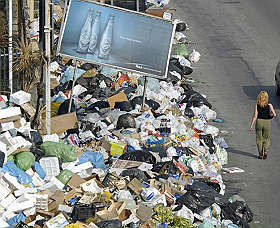
causes and remedies and possible solutions to the refuse emergency in Campania

The causes behind the refuse emergency in Campania can be identified delays in the planning and preparation of suitable landfill sites, illegal management of waste, delays in the planning and construction of composting of organic waste recycling and a reduced activated in common.
In May 2008, the government headed by Silvio Berlusconi, approving a decree (No. 90, May 23, 2008, converted into Law No 123 of July 14, 2008) which, in order to finally launch an integrated cycle of waste , settled the construction of four instead of three new incinerators are identified ten sites in which to build as many new landfills and provide for penalties of up to commissioner for municipalities that do not lead to the recycling scheme. It also provides for the termination of a state of emergency for 31 December 2009,
Legambiente For the solution lies in the integrated waste management based on the principle 4 of R.
So the first action to be charged is to reduce the quantities produced and their dangerousness. So the reuse, recycling and waste collection by the end the only two disposal options: energy recovery from the fraction of residual wastes not otherwise recyclable and landfill disposal of materials that can not really have any other possible destination.

6 Months Old Baby With Dry Cough

Capaccio

LEGAMBIENTE has given Capaccio Paestum REGIONAL AWARD "common Riciclone" 2008.
Capaccio Paestum, with an average recycling rate of 42.4%, entered the Top Ten Towns of Campania with more than 20,000 inhabitants.
This award is to recognize the efforts of the government more sensitive not only to the collection, now indispensable step, but also in the prevention and reduction of waste production.

activation of separate collection of waste, from late 2006, is one of the most important achievements by the municipality of Capaccio Paestum, a change that acquires more value in view of 'waste crisis relating the Campania Region. The area has responded better Capaccio Scalo, where it was activated door to door delivery of waste from 21 pm to 5 am.

Friday, November 28, 2008

Looking For Extras Chicago

Fotoalbum recycle "waste in Campania"


Find more photos like this on Group Project